
New Construction
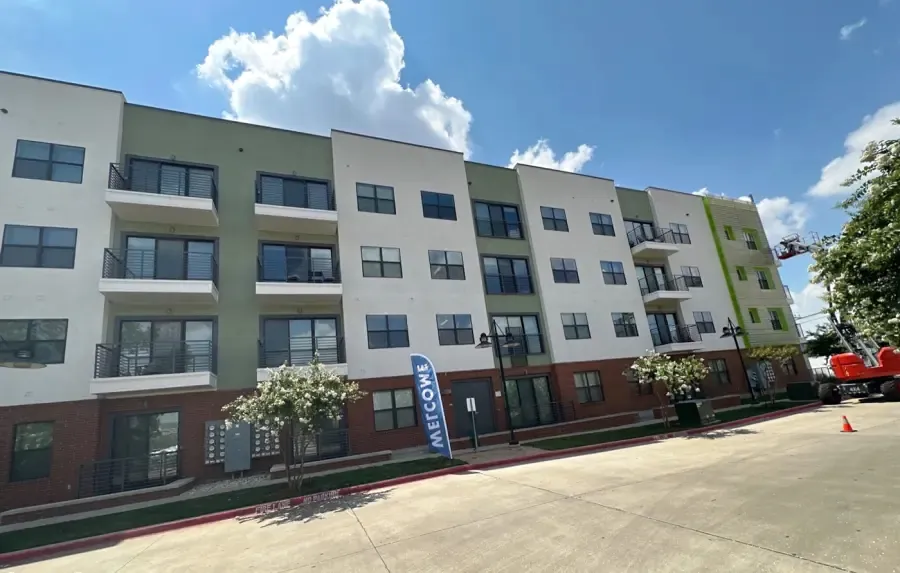
General construction for new commercial and multi-family buildings, with the project scope defined around your plans and requirements.
T-Rock Construction provides new construction, office renovations, expansions, and demolition for commercial property owners, from scope development through construction and closeout.
Dallas–Fort Worth headquarters · offices in Atlanta, Orlando & Chicago
Explore coverageGeneral construction for new commercial and multi-family buildings, with the project scope defined around your plans and requirements.
Build-outs and renovations that adapt office space to business and property needs. Review the rooms, finishes, building systems, and operating constraints included in the scope.
Construction scopes that support building expansions and the next stage of your property's use.
Demolition within a planned renovation, expansion, or redevelopment. Identify what is being removed, what will remain, and the information needed to define the work.
Connect commercial construction with site preparation, civil work, and land development needs.
A dedicated project manager and superintendent, with permitting coordination and construction oversight.
Start with the existing building or proposed site, the intended use, and the available plans. Discuss scope boundaries, business operations, budget assumptions, and decisions still needed before construction is defined. Review our construction qualifications as you evaluate the scope.
Planning ahead? Explore property walks and CapEx planning, or prepare with our property walk checklist.
Schedule a Property WalkYes. Share the intended use, existing conditions, available plans and budget parameters. A property walk helps organize construction questions before a detailed proposal. Use the Project Scope Brief Builder to record work types, access constraints and priorities for bidders to review. Separate confirmed scope from allowances, alternates, unresolved design and specialist reviews; identify which drawings and approvals are still needed. For multiple properties, list scope, operating constraints, priorities and the approval contact by location so a portfolio total does not hide different assumptions.
Discuss tenant needs, work hours, deliveries, access, and spaces that must remain available. Identify proposed interruptions and who must review them with the property team. Ask the proposal to state its phasing and trade coordination assumptions, required owner decisions, and dependencies on other work. Confirm how access changes or delayed approvals would affect the sequence before agreeing on construction dates.
Agree on closeout requirements before work begins: the owner walkthrough, punch-list responsibilities, applicable inspection records, and the documents needed for the agreed scope. Identify any operating instructions, product warranties, keys, or access information to be transferred, along with the follow-up contact. Define how outstanding items and acceptance will be recorded; required documents and warranty terms depend on the project and contract.
Set the update frequency, owner and site contacts, and the person authorized to approve changes. Request a short record of work performed, current photographs, open decisions, access constraints and next steps by location. Track proposed scope changes separately from approved work. The client portal preview shows sample reporting views with fictional data; use it to discuss the records and access roles needed for your project.
List the rooms and work areas, finishes to retain or replace, and any changes affecting building systems. Identify owner-furnished equipment and furniture separately from contractor-supplied items. Ask each bidder to state demolition, protection, disposal, temporary access and reinstatement assumptions. Where drawings or specifications are incomplete, make allowances and exclusions visible rather than treating different bids as equivalent.
For an occupied office, record business hours, delivery routes, areas that must stay open and the approval contact for planned interruptions. Compare the same scope and documents with the bid-comparison worksheet, then resolve differences before an award.
Yes. T-Rock welcomes hotel and hospitality renovation inquiries. Share the property location, guestroom and common-area scope, available drawings, target timing and whether the hotel will stay open. Potential work to discuss includes guestroom finishes, bathrooms, corridors, lobbies, exterior repairs and roofing. Our team will review the proposed scope and project fit before providing a proposal.
If your brand has issued a property improvement plan (PIP), include the current document and identify owner, designer and brand-approval responsibilities. Separate furniture, fixtures and equipment (FF&E), procurement, design and specialist work from the proposed construction scope. Use a project scope brief to organize the information for that first discussion.
List work by guestroom type, floor and public area, with photographs and the current drawings or specifications. Record operating hours, rooms that may be taken out of service, guest and staff routes, delivery access, storage and proposed work windows. Identify who approves room selections, coordinates guest communications and authorizes planned interruptions.
Ask bidders to state protection, demolition, disposal, owner-furnished items, allowances, exclusions and handoff assumptions. If a model room or brand review is required, identify that decision before treating repeat-room work dates as confirmed. Compare the same scope across proposals using the renovation bid review worksheet. Phasing and dates should be agreed for the specific property; an operating hotel requires its own plan.
Keep a reference to the current drawing or proposal revision, the affected work area and the requested difference. Identify dependencies with owner-supplied items, other contractors and continued property operations. Request written clarification of the proposed work, exclusions and timing.
Use the scope-change planning guide to track open questions and decision references. Keep a proposed change separate from authorized work and follow the review process established for your project.

Commercial and multi-family construction, renovation, and restoration. Wherever your portfolio takes you.
Explore weekly CapEx reports, shared T-Rock Cam images, schedules, proposals, and documents. Switch from owner to property team and customize sample access. Take a guided walkthrough or explore at your pace. Fictional data. No sign-in required. See the client portal capabilities.
From smaller service jobs to major renovations, we can help. Bring a defined scope or start with a property walk, due diligence, and CapEx budgeting.
For urgent property damage, call (214) 548-4733.